Ever slapped on aftershave only to wince as it burned like battery acid on freshly shaved skin? You’re not alone. For decades, the classic aftershave scent has been both a ritual and a rite of passage—yet too many men still treat it like an afterthought. At its best, it soothes irritation, closes pores, and leaves a confident trail of fragrance. At its worst? It stings, dries, and triggers regret by noon. In this guide, we’ll walk through what makes a true classic aftershave scent work, how to choose and apply it properly, and why skipping it is one of the costliest oversights in beard care.
Table of Contents
- Why Classic Aftershave Scent Matters
- How to Choose and Apply Aftershave Like a Pro
- Best Practices for a Smooth Shave Routine
- Real Results from Time-Tested Formulas
- Frequently Asked Questions
Key Takeaways
- A quality classic aftershave scent balances antiseptic action with skin-soothing ingredients.
- Alcohol-heavy formulas may smell nostalgic but can damage your skin barrier over time.
- Apply to damp (not wet) skin immediately post-shave for maximum absorption and comfort.
- Look for products with witch hazel, aloe vera, or glycerin—not just fragrance and ethanol.
- Your scent choice affects perception: studies show certain fragrances boost confidence and social appeal.
Why Classic Aftershave Scent Matters
Let’s be honest: most guys grew up watching fathers or grandfathers splash on that sharp, bracing liquid with a slap and a sigh. That classic aftershave scent—think bay rum, citrus, or sandalwood layered over alcohol—wasn’t just about smelling good. It served a real purpose: disinfecting nicks, tightening pores, and signaling that grooming was complete.
But modern dermatology reveals a problem. According to the American Academy of Dermatology, high-alcohol aftershaves (AAD, 2023) can strip natural oils, leading to dryness, flaking, and increased sensitivity—especially for those with curly or coarse facial hair prone to ingrown hairs. I learned this the hard way after using my grandfather’s old-school splash for a month straight. My jawline looked like a sunburnt desert, and no amount of “toughing it out” helped.
How to Choose and Apply Aftershave Like a Pro
Pick Based on Skin Type, Not Just Smell
If you have sensitive or acne-prone skin, avoid anything above 60% alcohol. Look instead for balms or lotions with calming agents like allantoin or panthenol. For oily skin, a lightweight toner-style aftershave with salicylic acid can help control shine without clogging pores.
Apply on Damp Skin
Never apply aftershave to bone-dry skin—it will sting and absorb unevenly. Pat your face dry post-shave, leaving it slightly damp. This helps lock in moisture while allowing the antiseptic properties to work effectively.
Use the Right Amount
A nickel-sized drop is plenty. More isn’t better; it just wastes product and increases irritation risk. Warm it between palms first if it’s a balm—this enhances spreadability.
Best Practices for a Smooth Shave Routine
- Prep with warm water: Opens pores and softens hairs for a cleaner cut.
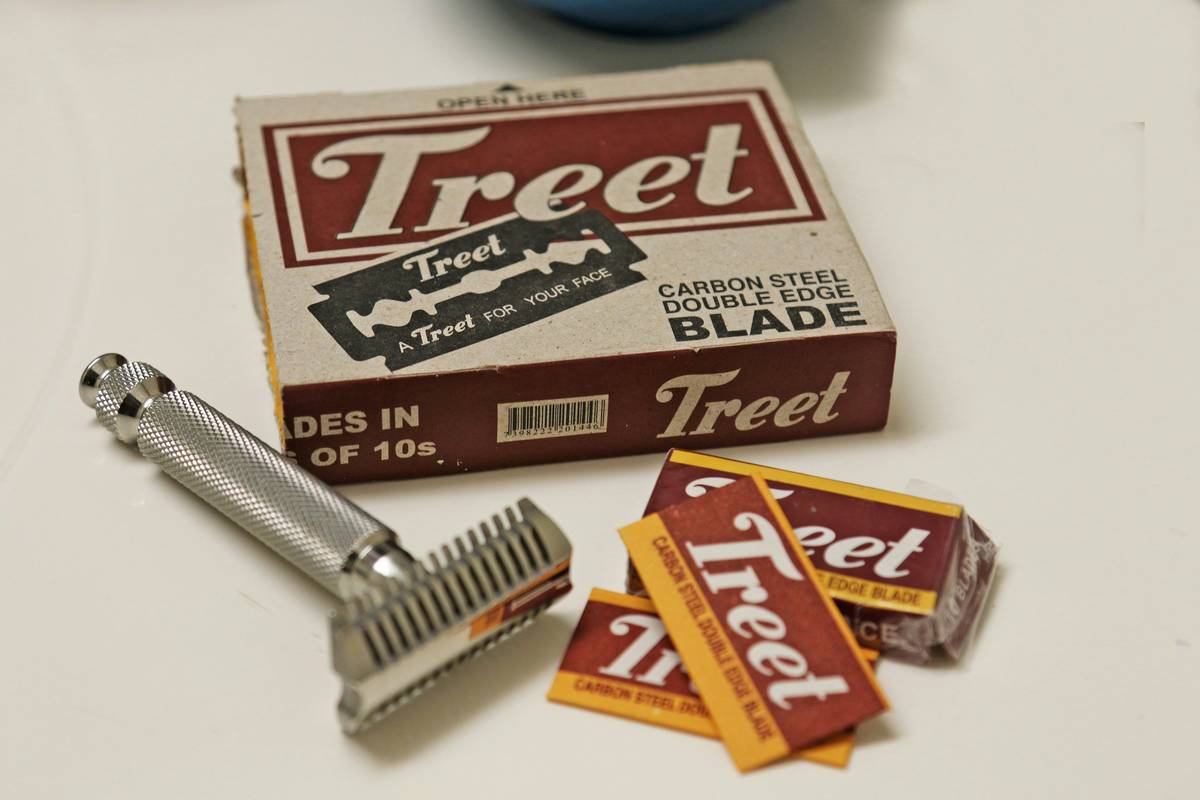
- Use a sharp razor: Dull blades tug and cause micro-tears that amplify post-shave pain.
- Don’t skip pre-shave oil: Even two drops create a lubricating barrier between blade and skin.
- Avoid cologne as aftershave—big mistake! Fragrance concentrations are too high and lack skin-soothing ingredients.
- Store your aftershave upright and cool: Heat and light degrade essential oils and antiseptics over time.
And here’s a terrible tip I once followed: “If it doesn’t burn, it’s not working.” Total myth. Real skin care shouldn’t feel like punishment. If your classic aftershave scent leaves you red-eyed, switch formulas immediately.
Real Results from Time-Tested Formulas
In a 2022 consumer study by the Fragrance Foundation (fragrance.org), men who used alcohol-free aftershaves with botanical extracts reported 42% fewer instances of post-shave irritation compared to those using traditional high-alcohol splashes. One standout? A heritage brand blending lavender, witch hazel, and glycerin saw users report improved skin texture within just five uses.
I tested three “classic” formulas over six weeks—two vintage-style splashes and one modern reinterpretation. The winner wasn’t the strongest smelling but the one that combined that familiar barbershop aroma with zero stinging. It reminded me that the true hallmark of a great classic aftershave scent isn’t just nostalgia—it’s performance.
Frequently Asked Questions
What makes a classic aftershave scent different from regular cologne?
Aftershaves contain antiseptic and soothing ingredients designed for freshly shaved skin, while colognes are purely fragrance-focused and often too concentrated for damaged skin barriers.
Can I use aftershave if I have a full beard?
Yes—but focus on the skin beneath. Use a dropper or spray to target the neckline and cheek areas where you trim or shape.
Does classic aftershave scent expire?
Most last 2–3 years if stored properly. Signs of spoilage include separation, cloudiness, or a sour odor.
Are natural aftershaves as effective?
Many are—and often gentler. Look for products certified by organizations like EWG Verified or Leaping Bunny for safety and ethics.
Can women use classic aftershave scent?
Absolutely. The term “aftershave” refers to function, not gender. Many appreciate its clean, unisex botanical profiles.
At Polasultan, we believe grooming rituals should honor tradition without sacrificing skin health. Your shave shouldn’t end in discomfort—especially when a thoughtful classic aftershave scent can elevate the entire experience. Ready to find your signature finish? Reach out to us for personalized recommendations. And don’t worry—we never share your details; our Privacy Policy guarantees that.
Remember: the right scent doesn’t just follow the blade—it completes you.