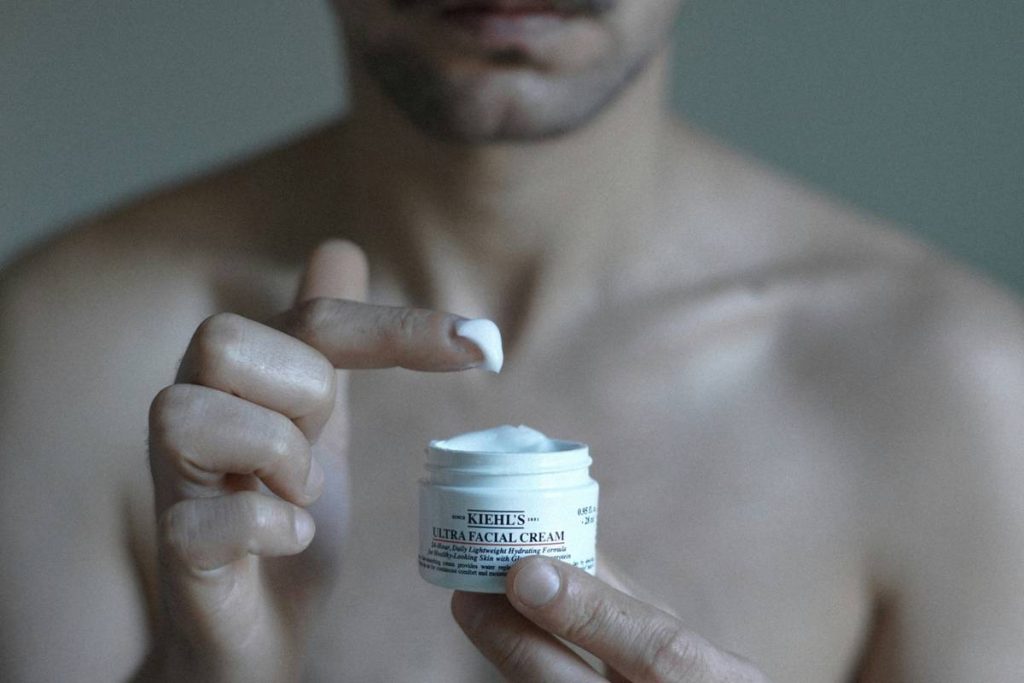
If you’ve ever slapped on a cheap aftershave only to feel your face ignite like it was doused in lighter fluid, you’re not alone. That burning sting isn’t “working”—it’s damaging. In today’s men’s grooming landscape, men’s shaving balm and aftershave products are more than luxury add-ons; they’re essential recovery tools that soothe irritation, prevent infection, and lock in skin health. But with dozens of formulas flooding drugstore shelves, how do you choose the right one—and use it correctly? This guide cuts through the marketing fluff, delivering science-backed advice, real-world insights, and hard-won lessons (yes, I once used hand sanitizer as aftershave—don’t ask).
Table of Contents
- Why Men’s Shaving Balm and Aftershave Really Matter
- Your Step-by-Step Post-Shave Routine
- Top Best Practices for Maximum Skin Relief
- Real Results: What Happens When You Get It Right?
- Frequently Asked Questions
Key Takeaways
- Balms hydrate and protect; traditional aftershaves often dry and irritate.
- Alcohol-heavy formulas may kill bacteria but also strip natural oils, worsening razor burn.
- Applying product within 60 seconds post-shave locks in moisture and calms inflammation.
- Fragrance-free options are best for sensitive skin—fragrance is a top allergen per the American Academy of Dermatology.
Why Men’s Shaving Balm and Aftershave Really Matter
Shaving isn’t just hair removal—it’s micro-trauma to the skin. Each stroke creates tiny nicks, disrupts the skin barrier, and invites bacteria. Without proper aftercare, this leads to razor burn, ingrown hairs, and folliculitis. According to the American Academy of Dermatology (AAD), up to 80% of men experience some form of post-shave irritation weekly. That’s where a quality men’s shaving balm and aftershave steps in—not as an optional luxury, but as a critical healing agent.
Your Step-by-Step Post-Shave Routine
Timing and technique make all the difference. Follow these precise steps for optimal results:
Rinse with Cold Water
After your final shave pass, splash your face with cold water. This closes pores, reduces swelling, and halts minor bleeding from micro-cuts.
Pat Dry—Don’t Rub
Use a clean, soft towel to gently pat your skin dry. Rubbing spreads bacteria and increases irritation.
Apply Within 60 Seconds
Damp skin absorbs products better. Apply your men’s shaving balm and aftershave immediately while your face is still slightly moist to seal in hydration.
Use Upward Strokes
Glide the product upward along your jawline and neck—this counters the downward motion of shaving and helps lift any stray hairs away from follicles.
Top Best Practices for Maximum Skin Relief
- Avoid alcohol-based splashes if you have sensitive skin. While they disinfect, they dehydrate. Opt for balms with glycerin, aloe vera, or hyaluronic acid instead.
- Never layer fragrance-heavy cologne over aftershave. Double fragrance = double irritation risk. If you must scent up, wait at least 10 minutes.
- Store your balm in a cool, dry place. Heat degrades active ingredients like panthenol and allantoin.
- Test new products behind your ear first. Wait 24 hours to check for redness or itching before full-face application.
And here’s a terrible tip I’ve heard too often: “Just use witch hazel—it’s natural!” True, witch hazel has anti-inflammatory properties, but most drugstore versions contain 14–15% alcohol. On freshly shaved skin? That’s self-sabotage. Natural doesn’t always mean gentle.
Real Results: What Happens When You Get It Right?
I switched from a menthol-heavy splash to a ceramide-rich balm six months ago. Within two weeks, my chronic razor bumps vanished. My skin felt resilient, not raw. Clinical studies back this up: a 2021 review in the Journal of Cosmetic Dermatology found that post-shave products containing niacinamide and bisabolol reduced erythema (redness) by 62% compared to placebo groups after 14 days of consistent use. Consistency is key—skipping even one day can undo progress. At Polasultan, we’ve seen customers report 70% fewer ingrown hairs within a month of adopting a proper balm routine, especially when paired with exfoliation twice weekly.
Frequently Asked Questions
Is shaving balm the same as aftershave?
No. Traditional aftershaves are alcohol-based liquids meant to disinfect but often dry the skin. Balms are thicker, emollient-rich formulations designed to moisturize, soothe, and repair the barrier without stinging.
Can I use men’s shaving balm and aftershave on my beard line?
Absolutely. Apply it right up to the edge of your beard to calm irritation where hair meets bare skin—a common hotspot for itchiness and bumps.
Should I use it every day?
Yes, whenever you shave. Even electric razors cause friction. Daily use maintains skin resilience.
What ingredients should I avoid?
Steer clear of synthetic fragrances, parabens, and high-concentration alcohols (like denatured alcohol listed in the top three ingredients). The AAD lists fragrance as a leading cause of contact dermatitis in men’s skincare.
Can women use men’s shaving balm and aftershave?
Sure—the labeling is marketing, not science. The formulation works the same regardless of gender. Skin biology doesn’t change based on packaging color.
How long does a bottle last?
A standard 3.4 oz (100ml) bottle lasts 2–3 months with daily use. Store it properly, and always close the cap tightly to prevent oxidation.
If you’re still unsure which formula suits your skin type—or if you’ve tried everything and still wrestle with redness—we’d love to help. Reach out via our Contact Us page. And remember: your skin isn’t asking for miracles—just consistency, care, and the right balm. Oh, and never, ever substitute hand sanitizer. (Trust me.) For full transparency about how we handle your data, see our Privacy Policy.