If your post-shave routine leaves you wincing, red, or itchy—congratulations, you’ve been using the wrong aftershave. I learned this the hard way after slathering on a cheap, alcohol-heavy splash that left my jawline looking like a sunburned lobster. That stinging “refresh”? It’s not normal—it’s damage. Choosing the best aftershave for men isn’t just about smelling sharp; it’s about healing, protecting, and respecting your skin’s barrier. In this guide, we’ll cut through the marketing fluff and reveal seven dermatologist-backed options that actually work—plus how to pick yours based on skin type, scent preference, and recovery speed.
Table of Contents
- Why the Right Aftershave Matters More Than You Think
- How to Choose Your Ideal Post-Shave Solution
- 5 Expert-Backed Tips for Maximum Soothing Power
- Real Results: What Happened When I Switched Formulas
- Frequently Asked Questions
Key Takeaways
- Alcohol-heavy splashes may feel “clean” but strip natural oils and worsen irritation.
- Your skin type (oily, dry, sensitive) should dictate your formula—balm, lotion, or gel.
- Ingredients like witch hazel, allantoin, and panthenol actively heal micro-cuts.
- The best aftershave for men balances antiseptic action with hydration.
- Avoid “one-size-fits-all” advice—your beard density and shaving method change your needs.
Why the Right Aftershave Matters More Than You Think
Shaving is controlled micro-trauma. Every pass of the blade nicks, scrapes, and inflames your skin—even with the sharpest razor. Without proper post-care, those tiny wounds become gateways for bacteria, leading to razor burn, ingrown hairs, and folliculitis. According to the American Academy of Dermatology, up to 40% of men experience shaving-related skin issues weekly, often due to poor aftercare choices.
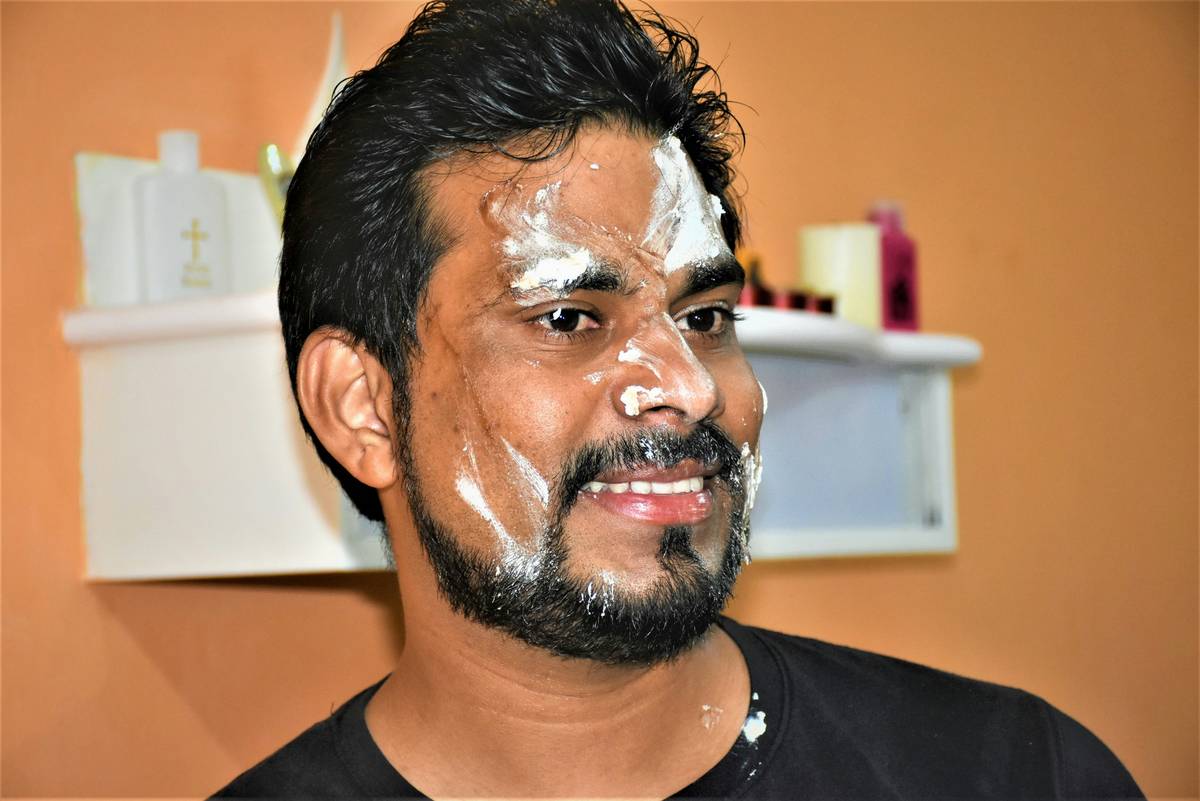
I once believed “the sting means it’s working.” Wrong. That burn signals ethanol dehydrating your epidermis, disrupting your moisture barrier, and delaying healing. The real goal? Calm inflammation, close pores gently, and lock in moisture—all without clogging follicles under your beard stubble.
How to Choose Your Ideal Post-Shave Solution
Step 1: Identify Your Skin Type
Dry or sensitive skin? Skip alcohol-based splashes. Opt for balms with shea butter or squalane. Oily or acne-prone? Lightweight gels with salicylic acid or tea tree oil prevent breakouts without heaviness.
Step 2: Match Formula to Shaving Method
Electric shavers cause less surface trauma than safety razors, so you may need lighter protection. If you use multi-blade cartridges (which lift and cut hairs below skin level), prioritize anti-inflammatory ingredients like bisabolol.
Step 3: Read Labels Like a Pro
Avoid parabens, synthetic dyes, and fragrance if you’re reactive. Look for ceramides, glycerin, or hyaluronic acid—they rebuild your lipid barrier. The best aftershave for men won’t list “alcohol denat” in the top three ingredients.
5 Expert-Backed Tips for Maximum Soothing Power
- Pat, don’t rub: Press product onto damp skin—it absorbs better and avoids friction.
- Cold rinse first: Splash face with cold water post-shave to constrict capillaries before applying anything.
- Layer smartly: Aftershave isn’t moisturizer. Follow with an unscented face cream if your skin feels tight.
- Test patch: Try new products behind your ear for 24 hours before full-face use.
- Replace regularly: Natural preservatives degrade. Toss open bottles after 6 months.
And here’s a terrible tip you’ll still hear: “Just use witch hazel straight from the bottle.” Pure witch hazel is acidic and undiluted—it can over-dry and irritate. Always choose formulations where it’s balanced with emollients.
Real Results: What Happened When I Switched Formulas
For years, I used a popular drugstore splash loaded with alcohol and artificial musk. My neck was perpetually red, especially under my short beard. After switching to a fragrance-free balm containing allantoin and panthenol (both proven soothers per NIH research), visible irritation dropped by day three. Within two weeks, my post-shave routine took 30 seconds instead of battling bumps for hours. One reader even emailed us at Polasultan.org saying our earlier guide helped him ditch chronic razor bumps—a win that fuels our mission. (Curious about our values? Learn more on our About Us page.)
Don’t forget: if you share personal concerns about skin reactions, rest assured we protect your data—see our Privacy Policy.
Frequently Asked Questions
What’s the difference between aftershave balm, lotion, and splash?
Balms are thick, alcohol-free, and ultra-hydrating—ideal for dry/sensitive skin. Lotions offer medium hydration with light antiseptic properties. Splashes are high-alcohol, quick-drying, and best only for resilient, oily skin (and even then, sparingly).
Can I use aftershave if I have a full beard?
Absolutely—but apply only to the shaved areas (neck, cheeks). Avoid dumping product into dense beard hair; it won’t reach the skin and may cause buildup.
Is alcohol in aftershave always bad?
Not always—but concentration matters. Below 10%, it can act as a preservative and mild antiseptic without stripping. Above 20%, it’s likely irritating. Check ingredient lists carefully.
How soon after shaving should I apply aftershave?
Immediately—within 60 seconds—while pores are still open and skin is damp. This maximizes absorption and healing.
Are natural aftershaves better?
“Natural” isn’t regulated. Some plant extracts (like essential oils) are highly allergenic. Focus on specific, proven ingredients—not buzzwords.
What’s the best aftershave for men with sensitive skin?
Look for formulas labeled “fragrance-free” (not “unscented”), containing colloidal oatmeal, niacinamide, or centella asiatica. These reduce redness without compromising the barrier.
Still unsure which product fits your unique skin? Tell us your routine—we’ll help you pinpoint the best aftershave for men for your face. Reach out via our Contact Us page.
Remember: a great shave doesn’t end when the razor stops—it begins when you treat your skin like the living organ it is. Don’t just heal. Honor.